What Surprised Me Most After 15 Years Supporting Freelancers in Germany
The things nobody really tells you about building a freelance business abroad, but almost everyone experiences eventually
When I started working with expats who wanted to build freelance businesses in Germany, I expected a lot of questions about bureaucracy.
And yes, those questions came.
Visas.
Tax numbers.
Health insurance.
Business registration.
But over the years, something else surprised me much more.
The biggest challenges freelancers face in Germany are usually not the forms.
They’re the things people never expect before they start.
Most people think the hard part is getting started
At the beginning, many freelancers are highly motivated.
They’ve finally decided to do it.
Maybe they left a corporate job.
Maybe they moved countries for a fresh start.
Maybe freelancing feels like freedom after years of wanting more flexibility and independence.
There’s excitement in the beginning.
And honestly, I love that phase. The energy is contagious.
But what surprised me over time is how quickly excitement can turn into pressure when expectations don’t match reality.
Not because people fail.
Because nobody really explained what freelancing in Germany actually feels like day to day.
Freelancing can feel strangely lonely
This is probably one of the biggest surprises for many expats.
People imagine freelancing as freedom:
working from home, setting your own schedule, being your own boss.
And yes, those things can absolutely be true.
But what many don’t expect is how alone some decisions suddenly feel.
There’s no manager telling you:
- what comes first,
- whether your pricing makes sense,
- or if you’re moving in the right direction.
Especially in another country, that uncertainty can become exhausting.
I’ve seen incredibly talented freelancers question themselves simply because they had too many opinions around them and no clear structure to filter them through.
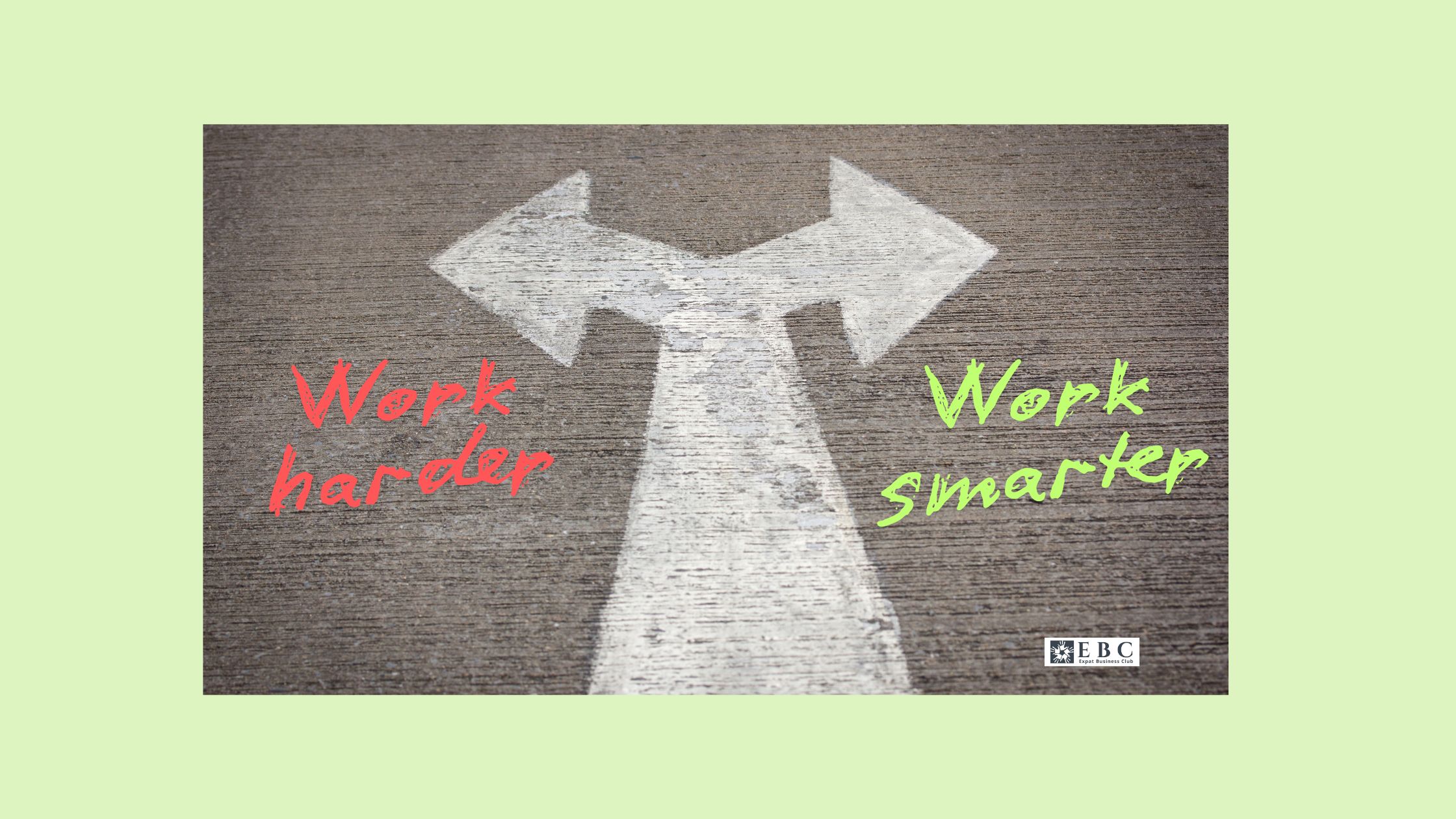
The freelancers who struggle most are often the hardest working ones
That honestly surprised me.
You would think lack of effort is the problem.
Usually, it’s the opposite.
Many freelancers work constantly:
- researching,
- improving,
- adjusting,
- trying new ideas,
- saying yes to everything.
From the outside, they look productive.
Inside, many feel overwhelmed.
Over time, I realized something important:
Being busy and building a sustainable business are not always the same thing.
Sometimes people are working so hard to “make it work” that they never pause long enough to ask whether the direction still makes sense.
Germany rewards structure more than speed
This is another thing many expats discover later.
In some countries, moving fast is rewarded.
In Germany, structure matters.
Clients often look for reliability, clarity, professionalism, and consistency long before flashy branding or aggressive marketing.
Freelancers who understand this early usually feel more stable later.
Not because they are more talented.
Because they build more intentionally.
Ready to kick-start your freelancing in Germany?
Launch, Streamline, Establish and Scale your freelancing business.
Confidence rarely comes first
This may be the thing that surprised me most of all.
Many people believe successful freelancers are simply more confident.
After thousands of conversations, I honestly don’t think that’s true.
Most freelancers start with uncertainty.
Confidence usually appears later, after:
- making decisions,
- surviving difficult moments,
- gaining experience,
- learning what works,
- and realizing they can handle more than they thought.
Waiting to “feel ready” often delays people unnecessarily.
Clarity is usually far more useful than confidence at the beginning.
What actually helps
After 15 years, I can say this very clearly:
The freelancers who move forward most sustainably are usually not the ones trying to do everything perfectly.
They are the ones willing to step back occasionally and look at the bigger picture.
They ask:
- Does this still fit my goals?
- Am I building a business or only reacting to problems?
- Which decisions matter long-term?
- What support would actually make this easier?
Those moments of reflection often change much more than another hour of research ever could.
A final thought
Freelancing in Germany is rarely as simple as people expect.
But it’s also rarely as impossible as it sometimes feels in difficult moments.
Most challenges become easier once you stop trying to figure everything out alone and start understanding how the different pieces connect together.
And honestly, after all these years, that may be the biggest lesson of all:
Building a freelance business is not only about becoming independent.
It’s about learning how to create stability, clarity, and direction for yourself in a completely new environment.
And that takes time.
If you’re currently navigating freelancing in Germany and feel unsure about your next step, you’re not alone.
Sometimes one strategic conversation can already bring clarity and help you see your situation differently.